


 Royal Oak and Birmingham, MI
One of the most important things to know about sleep apnea is that many people who have it don’t realize it. Since the condition happens while you’re asleep, neither you nor your doctor may make the connection. Undiagnosed sleep apnea means untreated sleep apnea—and untreated sleep apnea can be very dangerous.
That’s why it’s crucial to recognize the warning signs of sleep apnea and take action if you notice any of them.
Here are some of the common signs to watch for
Snoring
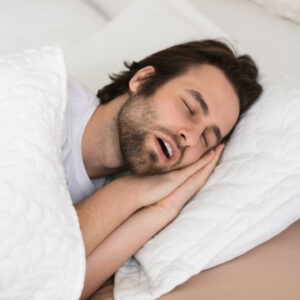
Snoring is one of the most common warning signs of sleep apnea. It happens when your airway narrows during sleep, causing turbulent airflow that vibrates your nose or throat and creates the sound of snoring.
A slight increase in airway constriction can turn regular snoring into an apneic event—when breathing actually stops temporarily. Research shows that louder snoring often means a higher likelihood of sleep apnea.
Daytime Sleepiness
When an apneic event causes your breathing to stop, your body wakes you briefly to resume breathing. This prevents you from reaching or staying in the deeper, restorative stages of sleep. Without enough deep sleep, you’ll likely feel very sleepy during the day.
Tendency to Fall Asleep When Inactive
If you find yourself nodding off whenever you sit still for a few minutes—whether at work, watching TV, or even driving—you may have sleep apnea. Many people with this condition experience uncontrollable daytime sleepiness.
Morning Headaches
People with sleep apnea often wake up feeling unrested—and sometimes with headaches caused by repeated nighttime awakenings. These headaches usually appear in the morning and go away within a few hours. While not everyone with sleep apnea experiences them, they affect about 15-20% of sufferers.
Irritability and Moodiness
Poor sleep impacts mood regulation. Sleep apnea sufferers may experience mood swings, including irritability, depression, or even feelings of giddiness. Lack of sleep can reduce empathy, causing people to respond more harshly to those around them.
High Blood Pressure
Sleep apnea is a leading cause of high blood pressure, which is usually diagnosed by your doctor. When your brain senses low oxygen levels during sleep, it signals your heart to work harder. Over time, this leads to consistently high blood pressure—a major risk factor for heart disease. Sleep apnea is especially linked to high blood pressure that is difficult to control with medication.
Weight Gain or Difficulty Losing Weight
Your metabolism, which controls energy use and fat storage, is regulated while you sleep. Sleep apnea disrupts these processes, increasing hunger and fat storage, making weight gain more likely and weight loss more difficult, even with diet and exercise.
Think You Might Have Sleep Apnea?
If you’ve noticed one or more of these warning signs, it’s important to get tested. Without diagnosis, you can’t get treatment—and untreated sleep apnea can lead to serious health issues.
If you live in Royal Oak or Birmingham, MI, and want to learn whether you have sleep apnea, call Hartrick Dentistry at 248-712-1149 today to schedule a consultation with our sleep dentistry specialists.
Your path to better sleep and better health starts with a simple conversation.