



Do you want a new smile? Answer these questions first.

smile makeovers

smile makeoversRoyal Oak and Birmingham, MI

Most of us are just not lucky enough to be born with a perfect smile. Thankfully, at Hartrick Dentistry, we offer smile makeovers to give you a smile that you deserve.

What is a smile makeover?

A smile makeover is a treatment that can completely change how you look and how you feel about yourself. Usually, smile makeovers consist of multiple cosmetic dentistry procedures to correct a variety of dental concerns. Every smile makeover is custom designed to fit your specific dental needs.

Here are some questions to ask yourself if you are considering a smile makeover.

What makes you unhappy about your smile?

When answering this question, get specific. Do you have crooked, misshapen, or discolored teeth? Maybe you have a “gummy smile” or your teeth appear too short or too long. Be sure to discuss these concerns with the dentist to help customize your treatment plan.

What type of smile are you hoping to achieve?

People sometimes desire a “Hollywood Smile” with dazzling white teeth that are perfectly shaped and straight. Other times, people just have minor dental issues they wish to correct. Whichever end of the spectrum you land, be sure to make it apparent to the dentist. Since a smile makeover is individualized for each patient, yours may only consist of one or two procedures while others may need repeat visits to receive multiple treatments.

How am I going to afford my smile makeover?

Your treatment plan will outline the cost of your smile makeover. You may wish to spread out your treatments and pay as you go, or take advantage of special interest-free financing. If paying for your treatment is a concern, discuss this with the dentist to determine which method of payment is best for you.

To get started on your smile makeover, contact Hartrick Dentistry today at (248) 549-0950. We welcome patients of Royal Oak and Birmingham, Michigan.

Posted in Cosmetic Dentistry

Is Flossing Every Day That Important?

is flossing important

is flossing importantRoyal Oak and Birmingham, MI

The short answer, YES! Let’s put it this way; your overall health relies on the state of your oral health. By ignoring even seemingly insignificant details such as flossing, you are increasing your risk of developing serious health-related diseases, all by skipping this less than 2-minute step!

Flossing is one of the most important actions you can take to guarding the health of your mouth and body. Many studies have linked oral bacterium to an increased risk of cancers, diabetes, premature births, low birth weight, heart disease, strokes, and even erectile dysfunction. Still, with these facts nearly one-third of adults do not floss regularly.

Look at some of these astonishing facts about oral care in America.

  • 4 percent of adults in the U.S., ages 30 and over, NEVER floss
  • 3 percent floss occasionally
  • 3 percent floss daily
  • Men tend to floss more than women
  • Low-income individuals are less likely to floss as compared to those with a high income

The act of flossing removes the buildup of bacteria and food particles that hide between your teeth and around your gums. These areas simply cannot be thoroughly cleaned by brushing alone. When this bacterium is not removed on a regular basis, it turns into plaque, which eventually hardens and becomes what is known as tartar. This hard substance can only be removed by a professional dental cleaning.

So what is the big deal with tartar? It leads to tooth decay, gum disease, and tooth loss,ot to mention bad breath! Gum disease begins by causing red, swollen gums that bleed easily. This means your mouth has an infection, which can cause health problems throughout your body. If you already don’t like the sound of this, then start flossing!

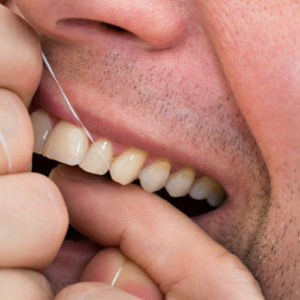
To properly remove this bacterium from between your teeth and gums, follow these steps.

  • Take the floss, wrap it around your index fingers and make it taught
  • Using an up and down motion, scrub the sides of your teeth with the floss
  • To clean around the gum line, follow the shape of your gums, which for a “C”
  • Don’t just pop the floss in and then right back out, you will still be leaving bacteria behind

To learn more about proper oral care, contact Hartrick Dentistry today at (248) 549-0950.

Hartrick Dentistry is proud to serve the oral health needs of patients in the areas of Royal Oak and Birmingham, MI.

Posted in Health

Are You Allergic to Your Fillings

can metal fillings be replaced

can metal fillings be replacedRoyal Oak and Birmingham, MI

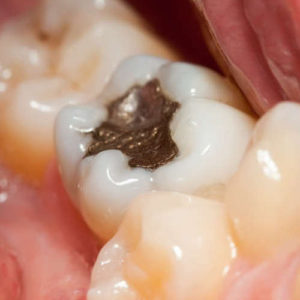
Did you know that more than 30 percent of the population has some sort of metal allergy? Considering that metal has been used to make fillings and other dental material for decades, this obviously can cause a potentially serious problem for a significant percentage of the populace.

Nickel is the most common metal allergy, and nickel also is regularly used in dental fillings and crowns. Metal allergies are more prevalent among women than men, and present themselves as either a skin rash or contact dermatitis. Other metals used in the composition of dental work include cobalt, platinum, palladium, and beryllium. Each of these metals also can provoke an allergic reaction, or interact with nickel to create a rash.

An allergic reaction is just one of the reasons why dental practices at the forefront of the field are moving towards maintaining a metal-free environment. Much metal dental work also contains mercury. The composition of amalgam fillings, which you might have heard referred to as “silver fillings,” can consist of up to 50 percent mercury. These fillings also release mercury vapors in your mouth whenever you eat, drink or otherwise stimulate the filled teeth. This mercury exposure can be toxic; children are particularly vulnerable to impairments of the psychological, neurological or immunological varieties.

Hartrick Dentistry offers restorative dental treatments that are free of mercury, or entirely metal-free for patients with a metal sensitivity or who have been diagnosed with a metal allergy. We can also remove your old metal dental work, and replace it with a safer alternative that is tooth colored.

To learn more about our metal-free options or to schedule an appointment, call our office at (248) 549-0950. A member of our staff will be happy to answer any questions that you might have.

Hartrick Dentistry is proud to serve the oral health needs of patients in the areas of Royal Oak and Birmingham, Michigan.

Posted in Health

Should Antibiotics be Routine for Dental Care?

antibiotics in dentistry

antibiotics in dentistryRoyal Oak and Birmingham, MI

For decades, antibiotics have been prescribed to some patients before certain dental treatments. Reasons for antibiotics use in dentistry may vary from treating an infected tooth to dental cleanings for those with a history of joint replacement. However, a recent guideline indicates antibiotics may no longer be considered routine for dental care in these instances.

Used to, patients with a hip or knee replacement were routinely prescribed antibiotics to take before their prophylaxis (dental cleaning), to prevent what is known as prosthetic joint Infection (PJI). During a dental cleaning, the oral bacterium may be swallowed and enter the patient’s bloodstream, causing an infection in their prosthetic joints, hence the use of antibiotics beforehand.

The American Academy of Orthopedic Surgeons (AAOS) and the American Dental Association (ADA) have established this new guideline, stating that there is insufficient evidence of infection manifesting in patients with joint replacement following dental procedures. In the United States, out of 302,000 patients with a history of hip replacement, and 658,000 with a knee replacement, there was a 2% mean infection rate.

This new guideline was based on the clinical research that examined large groups of patients with previous hip or knee replacement and the other half with a prosthetic joint infection. The bottom line is that antibiotic use in patients with a prosthetic hip or knee showed no greater risk of joint infection with or without antibiotic use before their dental procedure.

The biggest takeaway is that good, consistent oral hygiene is even more important for patients with a previous joint replacement. Antibiotic use before a procedure should be patient specific. If you have questions regarding taking antibiotics before your dental procedure, discuss this with the dentist.

At Hartrick Dentistry, we welcome patients of all ages. To schedule an appointment, contact Hartrick Dentistry today at (248) 549-3399. We welcome patients of Royal Oak and Birmingham, Michigan.

Posted in General Dentistry

What Causes Teeth to Stain

what causes teeth to stain

what causes teeth to stainRoyal Oak and Birmingham, MI

Want to keep your smile bright? Then be conscious of your diet. Food and drink choices are a significant contributing factor to surface stains on teeth.

When what you consume affects the exterior of your teeth this is known as extrinsic discoloration because the outer layer of the tooth enamel becomes stained. These discolorations can be caused by the pigment, acidic content and other chemicals that exist in food and beverages.

Wine, coffee, tea, sodas, sports drinks, hard candies, berries and tomato sauce all are among the most common foods and beverages that cause significant staining of teeth.

Many of these items do not change the appearance of your teeth overnight. They have an effect over time because they steadily wear away a layer of enamel and cling to the remaining enamel, creating those unsightly stains that can make you self-conscious about your smile and your overall appearance. To help keep your teeth white, consume the above-mentioned foods and drinks in moderation. Also, it is important to drink plenty of water on a daily basis and brush your teeth following meals.

Other causes of tooth discoloration can be intrinsic—when the inner structure of a tooth becomes darkened, usually due to a trauma sustained to the tooth or as a side effect of medication.

Your teeth also change color as you age, naturally taking on a more yellow appearance.

If you are noticing a coloration change in your teeth, for whatever the reason, then Hartrick Dentistry can restore a whiter, brighter smile for you with our professional whitening treatments. These procedures have a much higher success rate than the whitening kits available over the counter in stores and also are much less likely to cause tooth sensitivity. Contact our office at (248) 549-0950 to learn more.

Hartrick Dentistry is proud to serve the oral health needs of patients in the areas of Royal Oak and Birmingham, Michigan.

Posted in Teeth Whitening

Is Your Nail Biting Habit Damaging Your Teeth

nail biting damaging teeth

nail biting damaging teethRoyal Oak and Birmingham, MI

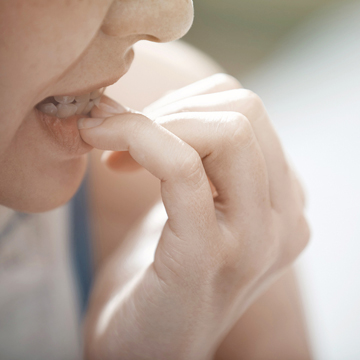
Biting your nails is not just a bad habit. It is bad for your teeth. Chronic nail biting makes you more vulnerable to a wide variety of risks to your oral health.

First and foremost, nail biting places significant additional pressure on your front teeth that these teeth are not meant to withstand. This extra pressure, also known as shearing, can chip the front teeth if nail biting continues unabated. Because nail biters usually use their front incisors, this damages the teeth that are most visible when you smile.

Restorative dentistry is necessary to prevent further chipping and preserve the healthy structure of the tooth. Dental bonding can often repair a chipped tooth. If you continue to bite your nails, however, then this new filling can break and do even more damage to the tooth. Repeated nail biting and subsequent fillings eventually may necessitate having a more permanent restorative procedure such as a veneer, which is a thin shell-like cover that is bonded to the front side of a tooth, or a crown, which replaces the entire exterior structure of a tooth.

The best thing a nail biter can do is stop the behavior, but like any other habit, this can be easier said than done. Persistence and dedication can help stop the behavior just like any other long-standing habitual routine, but there are things you can do to help in the process. For example, you can use certain nail polishes that have a bitter and non-toxic flavor that discourages the practice of nail biting. You also can try replacing the habit of nail biting with another oral habit, such as chewing sugar-free gum.

Hartrick Dentistry provides total oral health care to patients of all ages. Call our office at (248) 549-0950 to find out more information or to schedule an appointment.

Hartrick Dentistry welcomes patients of Royal Oak and Birmingham, MI.

Posted in Oral Health

I Don’t Have Dental Insurance Can I Still Get Treatment

can i still get dental treatment without insurance

can i still get dental treatment without insuranceRoyal Oak and Birmingham, MI

For individuals who do not have dental insurance, visiting the dentist can be very stressful. Many without insurance delay going to the dentist for years, but waiting only allows oral health problems to become more serious and, as a result, more expensive.

Lacking insurance does not mean that you and your family should be deprived of the oral care you deserve. Many reputable dental practices have experience working with patients who do not have insurance. Here are a few suggestions to obtain the care you need without breaking the bank.

Preventive care is actually the best way to prevent racking up major bills at the dentist. That means making regular trips to the dentist, preferably at least twice per year, for a cleaning and examination. This will cost you money up front, but paying out of pocket for these routine visits will save you money in the future by detecting any potential oral health problems before they become serious. These cleanings also help maintain a high level of oral health, decreasing the likelihood that you will develop cavities or gum disease.

Working with a budget means making your oral health a priority. Conditions that jeopardize your oral health or overall health should top the list, as compared to other minor problems or cosmetic procedures. Your dentist should work with you to determine what treatments are needed and desired, and then help you construct a treatment plan. You may choose to have all of your dental work completed at once, or spread out the procedures and ease some of the financial pressure.

Not having dental insurance can cause stress, but at Hartrick Dentistry, we are here to help. We offer a variety of payment options that can be adjusted to fit almost any household budget, including interest-free financing. If you have any questions about payment, please contact our office at (248) 549-0950 to schedule an appointment.

Hartrick Dentistry is proud to serve patients in the Michigan communities of Royal Oak and Birmingham.

Posted in General Dentistry

Could Losing Weight Mean Better Gums?

could losing weight mean better gums

could losing weight mean better gumsRoyal Oak and Birmingham, MI

What if losing weight could mean healthier gums? A new study conducted by the Western Reserve University School of Dental Medicine concluded that the human body fights gum disease better when fat cells disappear. Fat cells trigger inflammation, which is a major indicator of gum disease. Gums swell, become sore, bleed easily, and become infected when gum disease is present.

The study included 31 obese individuals with gum disease. Half of the group, with a BMI of 39, underwent gastric bypass surgery and had fat cells removed from their abdomen. The other half of the group had a BMI of 35, but did not have gastric bypass surgery or fat cells removed. All participants in the study received nonsurgical treatments for their periodontal disease, as well as adhering to a regimen of oral hygiene at home.

Individuals from both groups showed improvement in their gum disease, but the group that underwent surgery fared significantly better, including measurements for periodontal attachments, plaque levels, bleeding, and probing depths. How is this possible?

Inflammation within the body, especially when it is chronic, means the body may begin suffering harmful effects over time including premature births (low birth weight), fetal death, high blood pressure, diabetes, stroke, heart disease, and arthritis. Some of these diseases impact the state of one’s oral health, making oral hygiene even more important.

Based on the findings of this study, a reduction in fat cells directly relates to gum health. If you are overweight, consider incorporating a healthy diet and regular exercise to help shed some pounds. Also, remember to visit the dentist regularly to receive routine dental cleanings and exams. Continue with a regimen of oral hygiene at home.

At Hartrick Dentistry, we welcome patients of all ages. To schedule an appointment, contact Hartrick Dentistry today at (248) 549-3399. We welcome patients of Royal Oak and Birmingham, Michigan.

Posted in Health

Your Child’s Baby Teeth Matter

your childs baby teeth matter

your childs baby teeth matterRoyal Oak and Birmingham, MI

Your child’s primary (baby) teeth, believe it or not, play a significant role in their growth and development. From helping your child speak, chew properly, and build confidence, baby teeth matter. Plus, baby teeth maintain the proper spacing and aid in the development and alignment of your child’s permanent teeth that are soon to erupt.

Prevention is the single most important action a parent can take to help prevent their child from getting cavities. However, did you know that a baby can begin developing cavities as soon as their first tooth erupts? Oral hygiene should be part of your child’s daily routine to maintain healthy teeth, beginning in infancy. Here are some helpful oral hygiene tips that you can practice with your child at home.

Even before your baby’s first tooth erupts, get in the habit of gently wiping his or her gums after every feeding by using a damp washcloth. Most babies get their first tooth between four and six months of age. As soon as your baby gets a tooth, start simple tooth brushing techniques by brushing twice a day using fluoridated toothpaste.

Avoid letting your baby or toddler drink juice throughout the day from a bottle or sippy cup. Only fill it with breast milk, formula, milk, or water (whichever is age appropriate). Although it is perfectly safe for your child to drink these nourishing beverages, be sure not to allow your child to go to sleep drinking anything other than water. Even milk and breast milk contain sugar, which means your child’s teeth will constantly be coated with sugar, which inevitably leads to tooth decay.

At Hartrick Dentistry, we support the American Academy of Pediatric Dentistry in that children should begin routine dental visits by the time their first tooth erupts, or by age one. To schedule your child’s appointment, contact Hartrick Dentistry today. We welcome patients of Royal Oak and Birmingham, Michigan.

Posted in Pediatric

Is A Tonsillectomy In Your Child’s Future? Why A Sleep Study Should Be The First Step In Treatment

tonsillectomy sleep study

tonsillectomy sleep studyRoyal Oak and Birmingham, MI

Nearly 12 percent of children in America suffer from a sleep breathing disorder, according to the American Academy of Otolaryngology (AAO). Obstructive sleep apnea (OSA) occurs in about 4 percent of these children, which means they are not breathing well while asleep. With constant interruptions during sleep, these children may exhibit symptoms of snoring, gasping for air, daytime fatigue, and have trouble focusing. Many sufferers tend to experience poor academic performance and may have symptoms similar to ADHD (Attention Deficit Hyperactivity Disorder).

What is OSA?

OSA means the airway is blocked by soft tissues of the mouth and throat, which causes a decrease in air flowing in and out of the body. Sometimes, a child’s bite may be out of alignment causing the lower jaw to slip backwards, pushing the tongue towards the back of the throat. Enlarged tissues of the throat, such as the tonsils, may be to blame for blocking the airway. As a result, every year nearly 530,000 tonsillectomies are performed on children under the age of 15 years old, yet only about 10 percent of these children have undergone a sleep study before their surgery.

My child’s physician recommends a tonsillectomy, why should I consider a sleep study first?
The AAO urges medical and dental professionals to refer children, who exhibit OSA symptoms, for a sleep study as the first step in treatment. Polysomnography (PSG) is a sleep study that is ideal for children who show symptoms of OSA. Through an evidence-based research, PSG has been identified as a reliable form of sleep testing for children ages 2-18 who suffer from sleep breathing disorders or who are candidates for a tonsillectomy.

Symptoms of OSA:

If your child experiences any of these symptoms, consider a sleep study.

• Frequent loud snoring
• Gasping for air or long pauses in breathing during sleep
• Restless sleeping or significant tossing and turning (night sweats)
• Chronic mouth breathing during sleep
• Unexplained mood swings, misbehavior, or decline in academic performance

You may be unaware whether your child experiences symptoms of OSA. However, if your child is a candidate for a tonsillectomy, they should first undergo a sleep test to determine if OSA is the problem. Testing for OSA means better outcomes and safer surgery for children who’s enlarged tonsils are causing their sleep breathing disorder.

To schedule your child’s sleep study, contact Hartrick Dentistry today. We welcome patients of Royal Oak and Birmingham, Michigan.

Posted in Pediatric